The Samurai Library
Browse through foundational texts on samurai philosophy, strategy, and the code of Bushido.
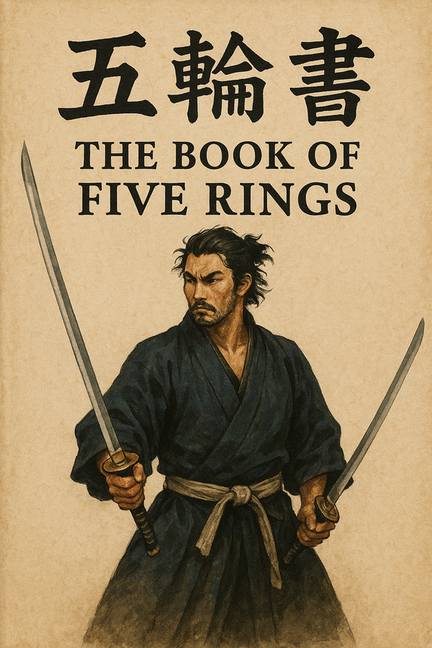
A masterpiece on strategy, combat, and the philosophy of the warrior-path, written by the legendary undefeated samurai.
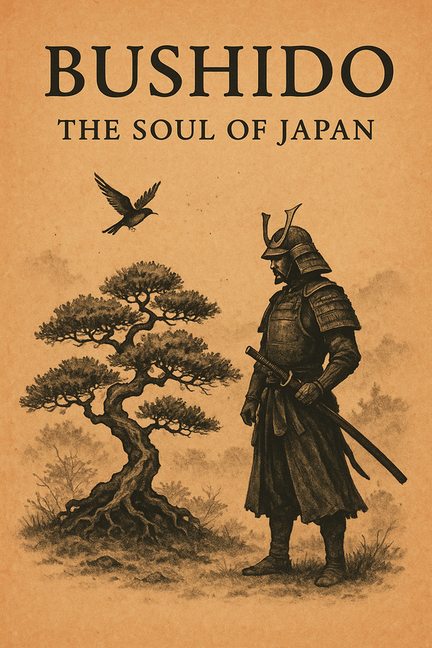
A classic exploration of the samurai moral code, detailing the virtues and philosophy that define the spirit of the Japanese warrior.
A practical and spiritual guide for a warrior, drawn from a collection of commentaries by the samurai Yamamoto Tsunetomo.
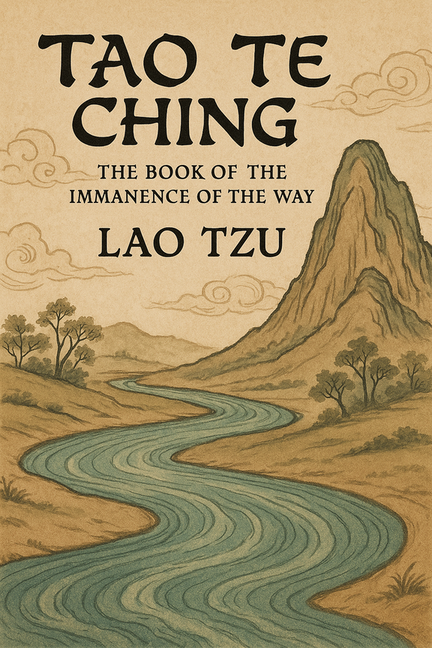
A classic Chinese text that is a fundamental text for both philosophical and religious Taoism, influencing many other schools of thought.
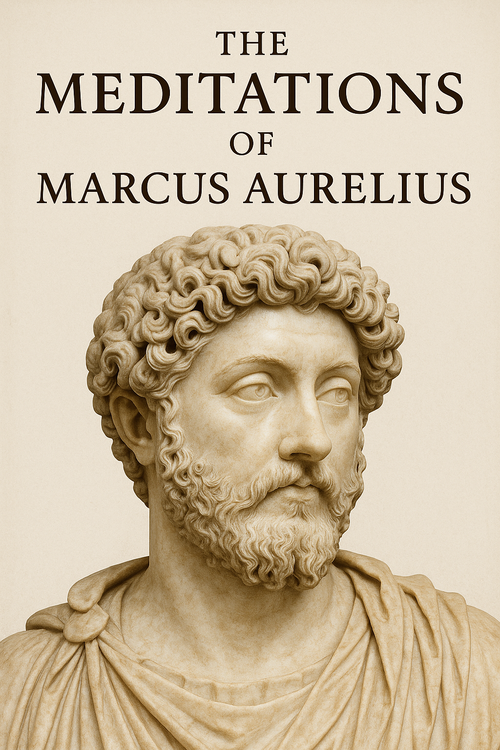
A series of personal writings by the Roman Emperor Marcus Aurelius, giving a unique insight into a Stoic mind.
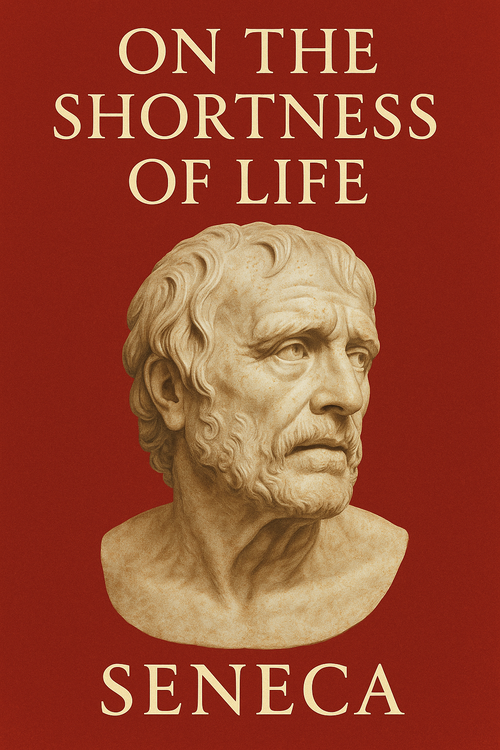
A powerful Stoic essay arguing that we waste too much of our time on trivial matters and fail to live a meaningful life. A cornerstone of Stoic thought.
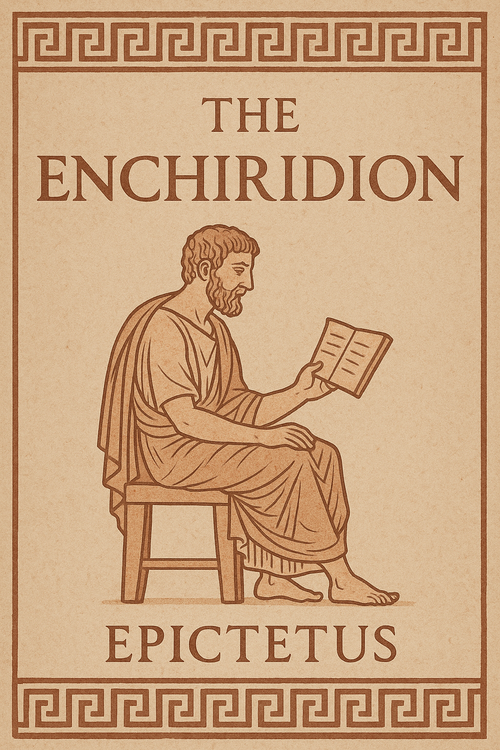
A short manual of Stoic ethical advice compiled by Arrian, a student of Epictetus. It offers a guide on how to live a happy and tranquil life.
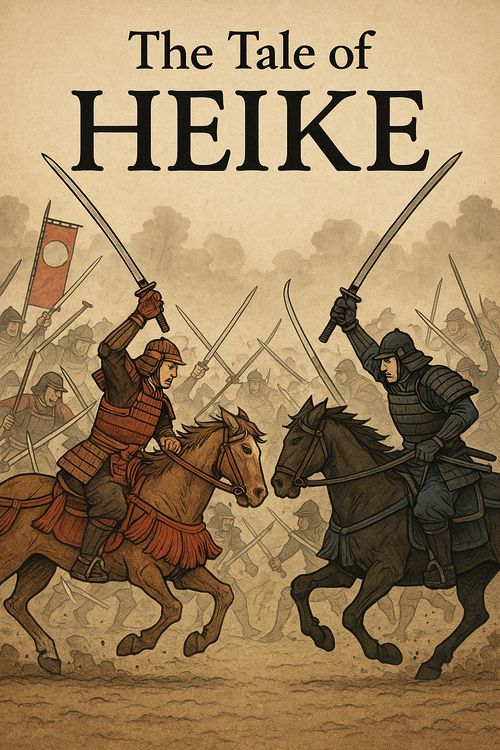
The Tale of the Heike is a 13th-century epic about the Taira clan’s rise and fall in the Genpei War, blending history and legend to show the impermanence of power. Rich with battles and tragedy, it shaped the samurai ideal of loyalty, honor, and acceptance of fate.
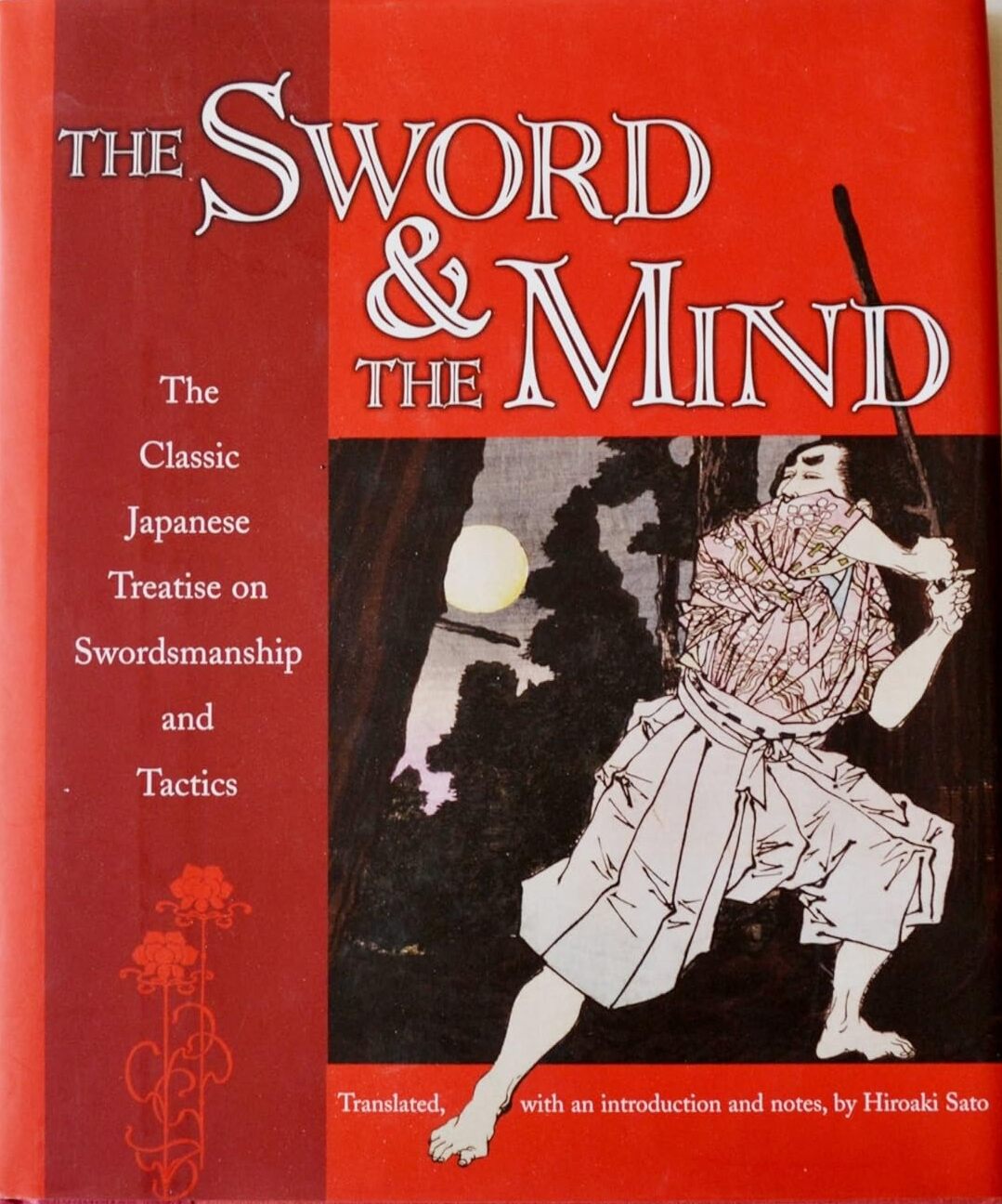
A collection of writings from the 17th-century samurai, Yagyū Munenori, this book provides insights into the intersection of Zen Buddhism and swordsmanship, and the philosophy of the samurai warrior.
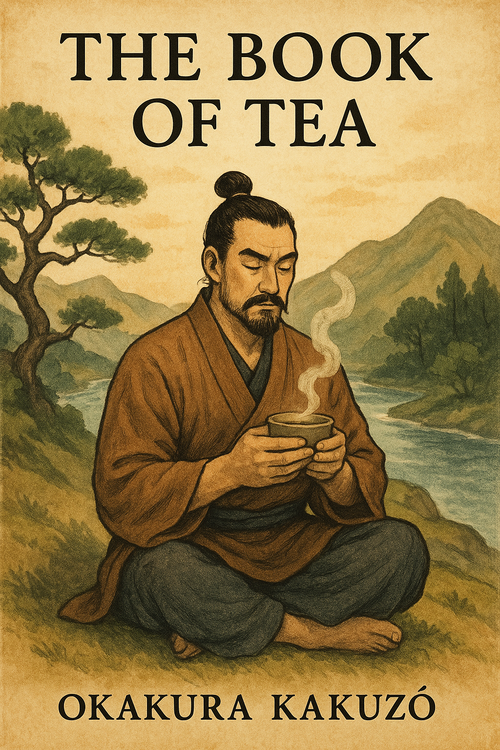
Okakura Kakuzō’s The Book of Tea (1906) presents the tea ceremony as a symbol of harmony, simplicity, and respect. Once embraced by samurai, it fostered calm focus, self-control, and refined taste—virtues prized in both war and peace.